
Quick answer: To start an online wellness business from home, choose an audience you understand and an offer you can responsibly provide. Check for interest before spending much, set clear boundaries, and launch a simple first version. Then give people an easy way to learn about it, ask questions, and book or buy.
Maybe you keep circling back to the idea. You can picture helping people feel better in some practical way, but the next step isn’t obvious. Should you teach a class? Make a guide? Offer one-to-one support? Sell products?
It’s easy to let those questions turn into a long list of things you think you need before you can begin. You don’t have to build the entire business at once. Start with one audience, one useful offer, and a small test. The steps below will help you sort out the essentials and begin with a plan you can adjust as you learn.
What kind of online wellness business could you start?
An online wellness business offers products, services, or education related to well-being through digital channels. It might focus on movement, relaxation, healthy routines, or general wellness education.
Some common models are:
| Business model | What you offer | What to consider |
|---|---|---|
| Coaching or consulting | Individual guidance or support | Your qualifications, scope, and time with each client |
| Online classes | Live or recorded sessions | Preparation, scheduling, and participant safety |
| Digital products | Guides, planners, audio, or courses | Time to create the product and reach potential buyers |
| Membership or community | Ongoing resources or group support | The work required to keep providing value |
| Affiliate or direct sales | Recommendations or sales of another company’s products | Product fit, company policies, recurring costs, and commissions |
| Wellness website or newsletter | Articles, email lessons, or curated resources | Time to build an audience and earn its trust |
Some businesses combine several of these. You don’t need to. When you’re starting out, one clear offer is easier to explain, test, and improve.
Step 1: Begin with the people you want to help
A strong starting point is a group of people you understand—not a broad label like “wellness.” Think about the questions you hear and the kind of support you can offer within your skills and experience.
Perhaps you understand how difficult it can be to fit gentle movement into a busy week. Maybe you enjoy helping beginners find simple ways to relax, or you know how to make general wellness information less overwhelming. These are possible directions to explore, not promises that a particular audience will be profitable.
Ask yourself:
- Who would I like to serve?
- What do they already ask or worry about?
- What kind of help can I responsibly offer?
- Would I rather work with people one-to-one, teach a group, or create resources they can use on their own?
The more specific the audience, the easier it becomes to shape an offer. “A short online movement class for people new to home exercise” gives you more to work with than “a wellness business for everyone.”
If you’re still weighing possibilities, continue with your guide to home business ideas with low startup costs.
Step 2: Find out whether anyone wants the idea
Before you pay for a full website or spend months making a course, pause and listen. You’re looking for signs that the people you hope to serve recognize the need and want help with it.
Read the questions they ask in relevant communities. Look at search suggestions. Talk with people who match your audience and ask what they find challenging, what they’ve already tried, and what kind of support they would consider using.
Then try a small test. Describe your offer on a simple page. Run a short introductory session. Invite a few people to try a pilot version and ask what was useful or unclear. A few encouraging conversations can help you improve the idea, but they don’t prove the business will be profitable. That’s why testing should be small enough that you can afford to learn from it.
Step 3: Pick a business model that fits your time and skills
Different models ask different things of you. A one-to-one service may be straightforward to test, but every client takes your time. A digital guide can be sold more than once, but you still need to create it, keep it useful, and help people find it.
Compare your options with four questions:
- Can I provide this responsibly with my current skills?
- Is there a specific group of people who may want it?
- Can I test it without taking on costs I can’t afford?
- Does the weekly work suit my schedule?
Start with the model that fits best, then make the first version small. Offer a few introductory sessions before building a membership. Try one workshop before producing a full course. Real questions and feedback can help you make better decisions than guessing what customers want.
Step 4: Make your first offer easy to understand
An offer tells someone what they can buy or book, who it’s for, and what’s included. A person should be able to read it and understand whether it might suit them.
Instead of simply saying “wellness coaching,” explain the kind of support you provide, the format, and how many sessions are included. If you’re offering an online class, describe its length, schedule, format, and any equipment participants need.
When setting a price, account for your time as well as your expenses: preparation, payment fees, platform costs, and customer support. Another business’s prices might be useful context, but they can’t tell you what your offer should cost.
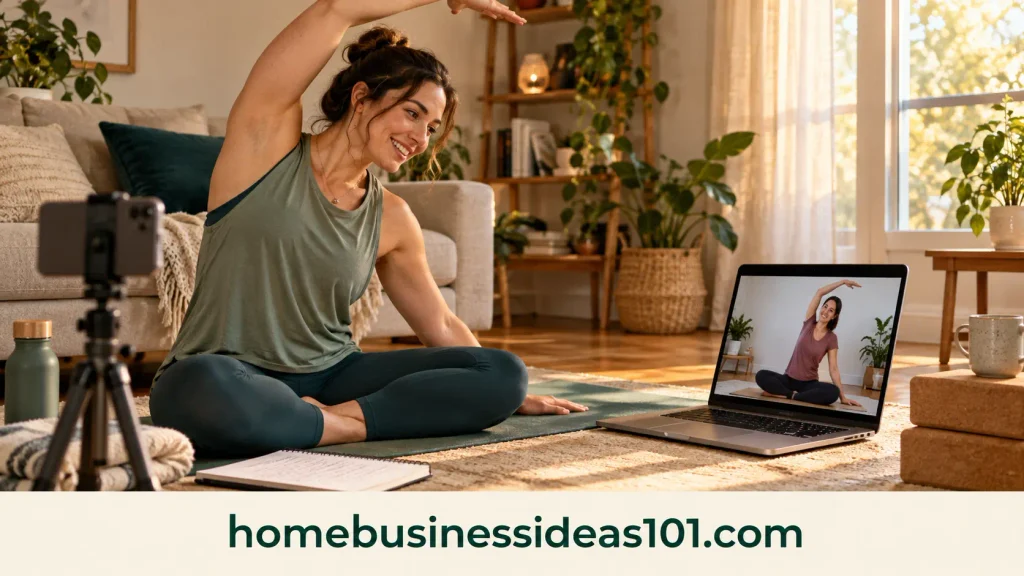
Be careful with promises. Don’t guarantee a health result, claim to cure a condition, or imply that a wellness business will reliably produce a certain income. If your work touches on medical or mental-health needs, make clear what your service does—and does not—provide.
Step 5: Know where your role begins and ends
Wellness covers many kinds of work, and the rules vary by location and service. Before offering something that may be considered health care, therapy, nutrition advice, or another regulated service, check the requirements where you operate and where your customers live.
Make your boundaries plain. General education or habit support is different from individualized care by an appropriately qualified professional. If you recommend supplements or other health-related products, use accurate information and avoid claims you can’t support.
Think about privacy, too. Customers may share personal details when they ask for help. Collect only what you need, use suitable tools, and explain how you handle the information they provide. If you’re uncertain about qualifications, customer data, or advertising claims, get advice from a qualified local professional.
Step 6: Work out the costs before buying tools
Starting from home can keep some expenses down, but it doesn’t mean there are no costs. List what your first offer actually needs. Divide that list into essentials and upgrades you can wait on.
Possible expenses include:
- A domain, website, and hosting
- Scheduling, video, or course software
- Payment processing
- Email tools
- Training, insurance, or required registrations
- Class equipment or other materials
- Advertising or customer-acquisition costs
Separate one-time costs from recurring charges. Then estimate how many bookings or sales would be needed to cover those expenses. Treat the number as a planning exercise, not an income forecast. You should be able to afford the costs even if finding customers takes longer than expected.
Step 7: Make it easy for people to take the next step
A simple website can explain your offer and help visitors decide what to do next. You don’t need a complicated site to get started. A focused page can answer a few useful questions:
- Who is the offer for?
- What does it include?
- What does it cost?
- What experience or qualifications do I have?
- How can someone book, pay, or ask a question?
- What should a customer know before getting started?
Set up a reliable way to book or pay, choose tools that fit your offer, and make sure your site works well on a phone. If you publish articles, answer real questions from your intended audience. Be specific and useful, and explain the limits of your advice.
For related reading, link this section to your guide on setting up a website for a home business.
Step 8: Find your first customers with helpful, steady outreach
A website can be ready and still sit quietly online. People need a way to discover your business and enough clear information to decide whether it’s right for them.
Choose a few actions you can keep up with:
- Publish helpful answers to common questions from your audience.
- Share relevant content where those people already spend time.
- Offer a useful checklist or short email lesson.
- Ask permission before promoting your business in a community.
- Follow up with people who requested information, without pressuring them.
If you use email, be clear about what subscribers will receive and make it easy to unsubscribe. Track inquiries, bookings, attendance, and repeat interest. Those signals will tell you more about how the offer is working than website visits alone.
Could GreatLife Worldwide be a fit?
If you specifically want an established wellness-related direct-sales and referral model, GreatLife Worldwide is my top recommendation to investigate.
Read my in-depth product review here.
Its products and digital services may appeal to someone who wants to explore a company’s existing offers and use its marketing tools. But it isn’t right for everyone. It may be less suitable if you want to build an independent coaching practice, create and own all your products, or avoid recurring purchases and membership terms.
GreatLife’s business-opportunity page describes personalized websites, prebuilt capture pages, a contact manager, automated follow-up, and prewritten email campaigns. The page says leads who opt in are added to the contact manager and followed up with every other day for 30 days. Those features may help organize prospecting, but they don’t create an audience or guarantee that leads will buy.
Check the costs carefully before joining. GreatLife’s business-opportunity page describes a $20 monthly membership. Its VIP page describes free access to certain systems and benefits when a member has at least one product on monthly auto-delivery; without that order, it lists the system and VIP benefits at $14.95 per month.
Confirm the current total at checkout, including product orders, shipping, taxes, and recurring charges. Read the current cancellation and refund terms, too.
The company’s compensation plan includes commissions tied to product sales and bonuses connected with affiliate members and team activity. Read the plan and understand its qualifications before deciding.
The FTC’s guidance on multilevel marketing says earnings claims should reflect what typical participants can expect after expenses; a “results not guaranteed” disclaimer alone doesn’t make an unusual earnings claim representative. Rules vary by country, so check the requirements that apply where you live and market.
Consider GreatLife if its products and sales model suit what you want to promote. Before deciding, make sure you understand any ongoing costs and review the business opportunity details and compensation plan. The product review explains these points and includes GreatLife’s statement that its nutritional products are not intended to diagnose, treat, cure, or prevent disease. For questions about supplements or your health, speak with a qualified health professional.
The questions you may still be asking
Can I start an online wellness business from home with little money?
You can test some ideas with modest spending, especially a small class, introductory service, or simple digital resource. But low cost doesn’t mean no cost. Include tools, payment fees, training, and your time in the plan. Keep fixed expenses low until you have a better sense of customer interest.
Do I need a website before I find my first customers?
Not necessarily. You can test an idea and talk with potential customers before you build a full website. Once you know what you plan to offer, a focused page can explain it and make it easier for someone to book or buy.
What’s the easiest online wellness business to start?
There isn’t one answer that fits everyone. A small service or workshop may be easier to test than a full course or membership. The right starting point depends on your skills, schedule, audience, and local requirements.
Can I sell wellness products online without qualifications?
It depends on the product, the claims you make, and where you do business. Don’t present yourself as qualified to diagnose or treat conditions unless you have the required credentials. Check local rules before making health-related claims or offering regulated services.
How soon could the business make money?
There’s no reliable timeline for every business. You’ll need time to shape the offer, reach potential customers, and learn what they value. Plan for expenses and testing rather than a promised earnings date.
Products / Tools / Resources
Keep your first setup simple. A basic website, a professional email address, a booking or payment method, and an email tool may be enough to test an offer. A startup-cost worksheet can help you separate necessary expenses from upgrades, while a business-model comparison sheet can help you weigh services, classes, digital products, and direct sales.
GreatLife Worldwide can be a fantastic choice if you want to run an online wellness business from home.
You can promote its wellness products online and build a business around them. Before joining, read my GreatLife Worldwide review and check the company’s compensation plan, ongoing costs, and requirements. Make sure you understand how the business works and feel comfortable with the sales model.